
Enhancing Marine Environments in Washington Waters
- admin423990
- Nov 19, 2025
- 4 min read
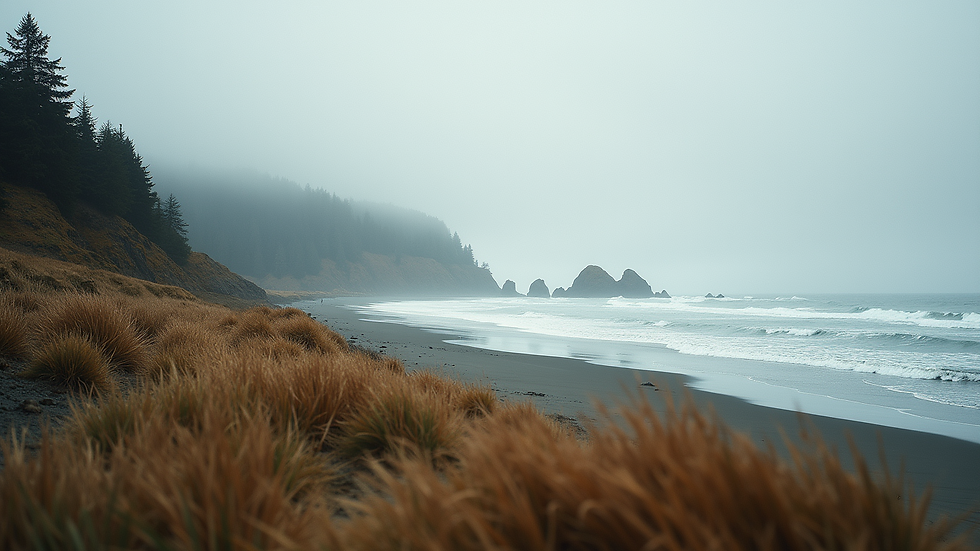
The marine environments of Washington State are among the most diverse and vibrant ecosystems in the United States. From the bustling waters of Puget Sound to the rugged coastlines of the Pacific Ocean, these waters are home to a rich array of marine life, including fish, marine mammals, and unique habitats. However, these ecosystems face significant challenges due to pollution, climate change, and human activities. This blog post explores various strategies and initiatives aimed at enhancing and protecting the marine environments in Washington waters.
Understanding the Importance of Marine Environments
Marine environments are crucial for several reasons:
Biodiversity: Washington's waters support a wide range of species, including salmon, orcas, and various seabirds. This biodiversity is vital for maintaining ecological balance.
Economic Value: The fishing and tourism industries rely heavily on healthy marine ecosystems. In 2020, the commercial fishing industry in Washington generated over $1 billion in revenue.
Climate Regulation: Oceans play a significant role in regulating the Earth's climate by absorbing carbon dioxide and heat.
Given these factors, it is essential to implement effective strategies to enhance and protect these marine environments.
Current Challenges Facing Washington's Marine Ecosystems
Despite their importance, Washington's marine environments are under threat from various challenges:
Pollution
Pollution from urban runoff, agricultural practices, and industrial discharges significantly impacts water quality. Contaminants such as heavy metals, nutrients, and plastics can harm marine life and disrupt ecosystems.
Climate Change
Rising sea temperatures and ocean acidification are altering marine habitats. Species that cannot adapt quickly enough may face extinction, leading to a loss of biodiversity.
Habitat Destruction
Coastal development, dredging, and other human activities have led to the destruction of critical habitats such as wetlands and estuaries. These areas are essential for the life cycles of many marine species.
Strategies for Enhancing Marine Environments
To combat these challenges, various strategies can be employed to enhance and protect Washington's marine environments.
1. Implementing Sustainable Fishing Practices
Sustainable fishing practices are essential for maintaining fish populations and ensuring the health of marine ecosystems. This includes:
Catch Limits: Establishing scientifically-based catch limits to prevent overfishing.
Protected Areas: Designating marine protected areas (MPAs) where fishing is restricted or prohibited to allow ecosystems to recover.
2. Reducing Pollution
Efforts to reduce pollution can significantly improve water quality. Strategies include:
Green Infrastructure: Implementing green roofs, rain gardens, and permeable pavements to manage stormwater runoff effectively.
Public Awareness Campaigns: Educating the public about the impacts of pollution and encouraging responsible waste disposal practices.
3. Restoring Habitats
Habitat restoration projects can help revive degraded ecosystems. Examples include:
Wetland Restoration: Rehabilitating wetlands to improve water quality and provide critical habitat for wildlife.
Eelgrass Planting: Eelgrass beds are vital for many marine species. Planting eelgrass can enhance habitat complexity and improve water quality.
4. Monitoring and Research
Ongoing monitoring and research are crucial for understanding the health of marine environments. This can involve:
Citizen Science Programs: Engaging the community in data collection to monitor water quality and marine life.
Research Partnerships: Collaborating with universities and research institutions to study marine ecosystems and develop effective management strategies.
5. Climate Change Mitigation
Addressing climate change is essential for the long-term health of marine environments. Strategies include:
Reducing Carbon Emissions: Transitioning to renewable energy sources and promoting energy efficiency to lower greenhouse gas emissions.
Coastal Resilience Planning: Developing plans to protect coastal communities and ecosystems from the impacts of climate change, such as rising sea levels.
Case Studies of Successful Initiatives
Several successful initiatives in Washington demonstrate the effectiveness of these strategies.
The Puget Sound Partnership
The Puget Sound Partnership is a collaborative effort aimed at restoring and protecting the health of Puget Sound. Key achievements include:
Salmon Recovery: Implementing habitat restoration projects that have led to increased salmon populations.
Pollution Reduction: Establishing programs to reduce stormwater pollution, resulting in improved water quality.
The Washington State Eelgrass Recovery Plan
This plan focuses on restoring eelgrass habitats, which are crucial for supporting marine life. Key components include:
Mapping Eelgrass Beds: Identifying existing eelgrass habitats to prioritize restoration efforts.
Community Involvement: Engaging local communities in planting and monitoring eelgrass.
The Role of Community Engagement
Community engagement is vital for the success of marine enhancement initiatives. By involving local residents, stakeholders, and organizations, we can foster a sense of stewardship and responsibility for our marine environments. Strategies for effective community engagement include:
Educational Programs: Offering workshops and seminars to educate the public about marine conservation.
Volunteer Opportunities: Creating opportunities for community members to participate in restoration projects and monitoring efforts.
Conclusion
Enhancing marine environments in Washington waters is a multifaceted challenge that requires collaboration, innovation, and commitment. By implementing sustainable practices, reducing pollution, restoring habitats, and engaging communities, we can protect these vital ecosystems for future generations. The health of our marine environments is not just an environmental issue; it is a matter of economic stability, cultural heritage, and ecological integrity.
As stewards of these waters, it is our responsibility to take action and ensure that Washington's marine environments thrive. Whether through individual efforts or collective initiatives, every action counts in the journey toward a healthier marine ecosystem. Let's work together to protect and enhance the beauty and biodiversity of Washington's waters.


Comments